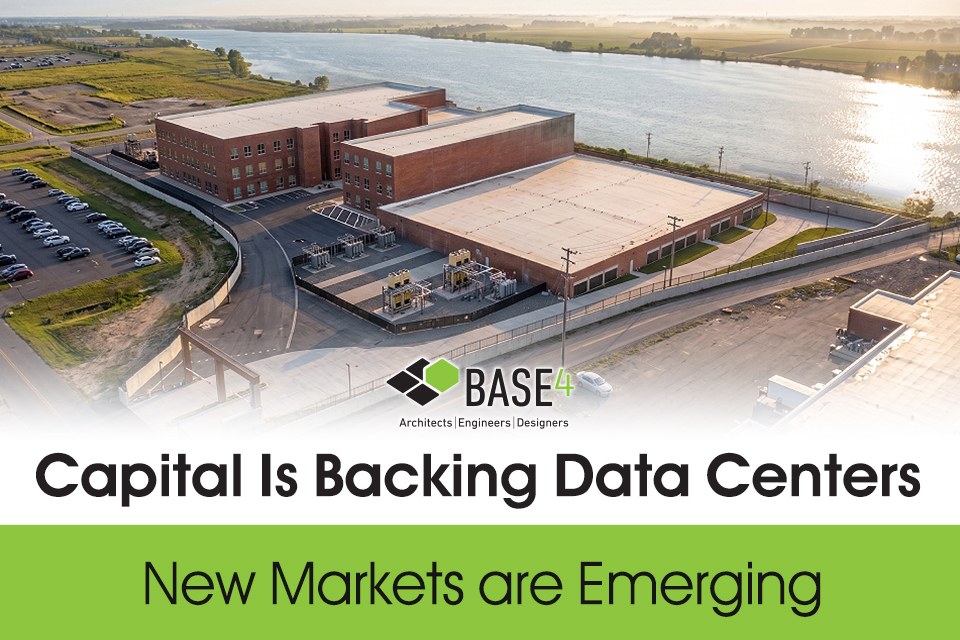
Capital is moving aggressively into data centers.
But investors are no longer focusing only on the largest legacy markets.
Across the U.S., developers are evaluating new locations that can support the next phase of AI, cloud, and business infrastructure growth.
That shift is changing where the next generation of data center projects gets built.
Why Growth Is Moving Beyond Legacy Markets
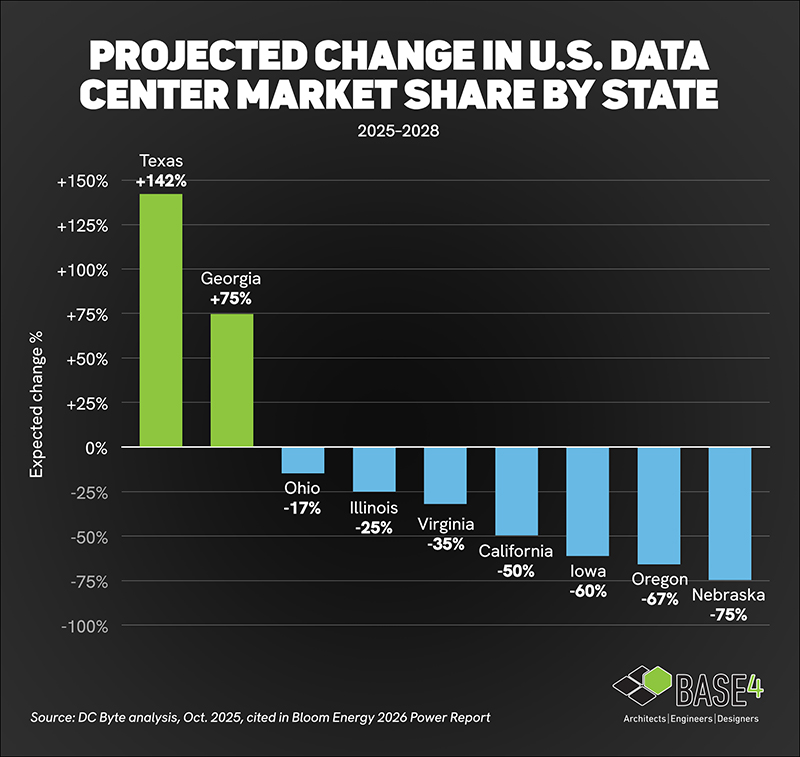
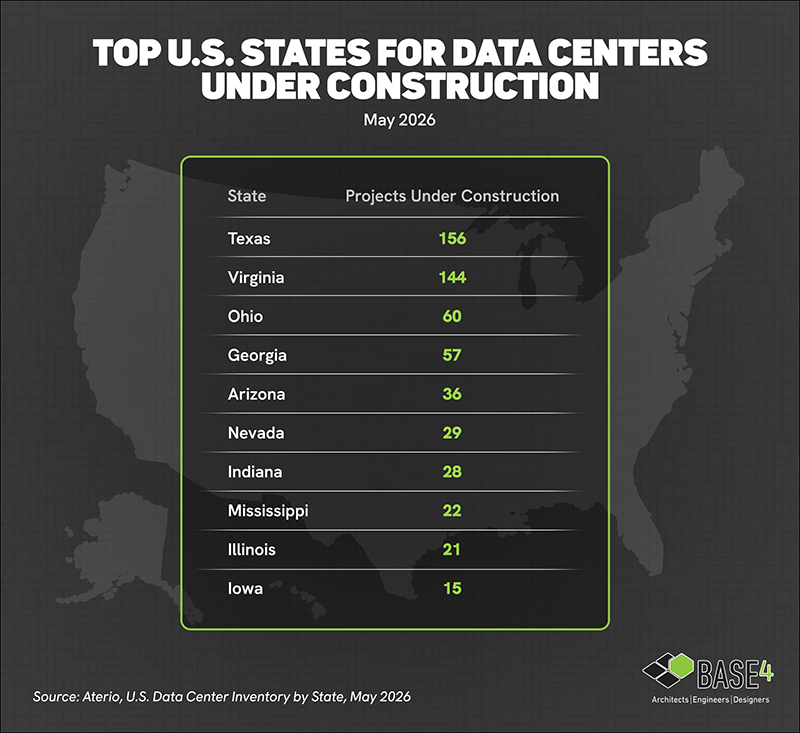
Virginia has long been the country’s largest data center market. But its share of future growth is projected to decline as power and grid constraints limit how fast it can scale.
That is pushing development activity toward markets with more room to grow, including Texas, Georgia, Ohio, and Arizona.
The driver is simple:
AI, cloud, and enterprise users need more capacity, and they need it in more places.
This means opportunity is no longer limited to traditional gateway markets.
What Makes a Market Attractive Now
Capital is not moving randomly.
Investors are looking for markets that can support long-term digital infrastructure growth.
That means locations with:
- Strong fiber connectivity
- Scalable land opportunities
- Reliable power planning
- Business-friendly environments
- Access to enterprise and hyperscale demand
- Room for future expansion
The strongest markets are not just the biggest.
They are the markets that can support growth at scale.
Why Early Planning Matters
Data centers are becoming a national infrastructure buildout.
That changes the development equation.
Developers are not just choosing sites based on land availability.
They must also evaluate power access, utility coordination, permitting timelines, system requirements, construction strategy, and long-term scalability.
As more markets compete for data center investment, early planning becomes a major advantage.
The projects that move fastest will be the ones designed around infrastructure realities from day one.
What This Means for Developers
The expanding data center map creates new opportunities.
But it also adds complexity.
BASE4 helps developers build faster and cheaper by bringing architecture, engineering, planning, visualization, and project delivery together under one roof.
That includes:
- Site planning that supports speed, scalability, and future expansion
- Architecture, structural, and MEP coordination from the start
- 100% Revit and 3D design for clearer decisions and fewer coordination gaps
- In-house design support that keeps teams aligned
- Nationwide experience across different jurisdictions and market conditions
- A 24 hour workday that helps drawings and coordination keep moving
As data center opportunities expand across the U.S., speed and coordination matter more than ever.

Thank you,
Blair Hildahl
BASE4 Principal
608.304.5228
BlairH@base-4.com